Training Young Horses: Best Practices
Training young horses sets the foundation for their future performance and behavior. This guide outlines practical approaches to develop trust, responsiveness, and confidence in your young equine partner from day one.
Explore ↗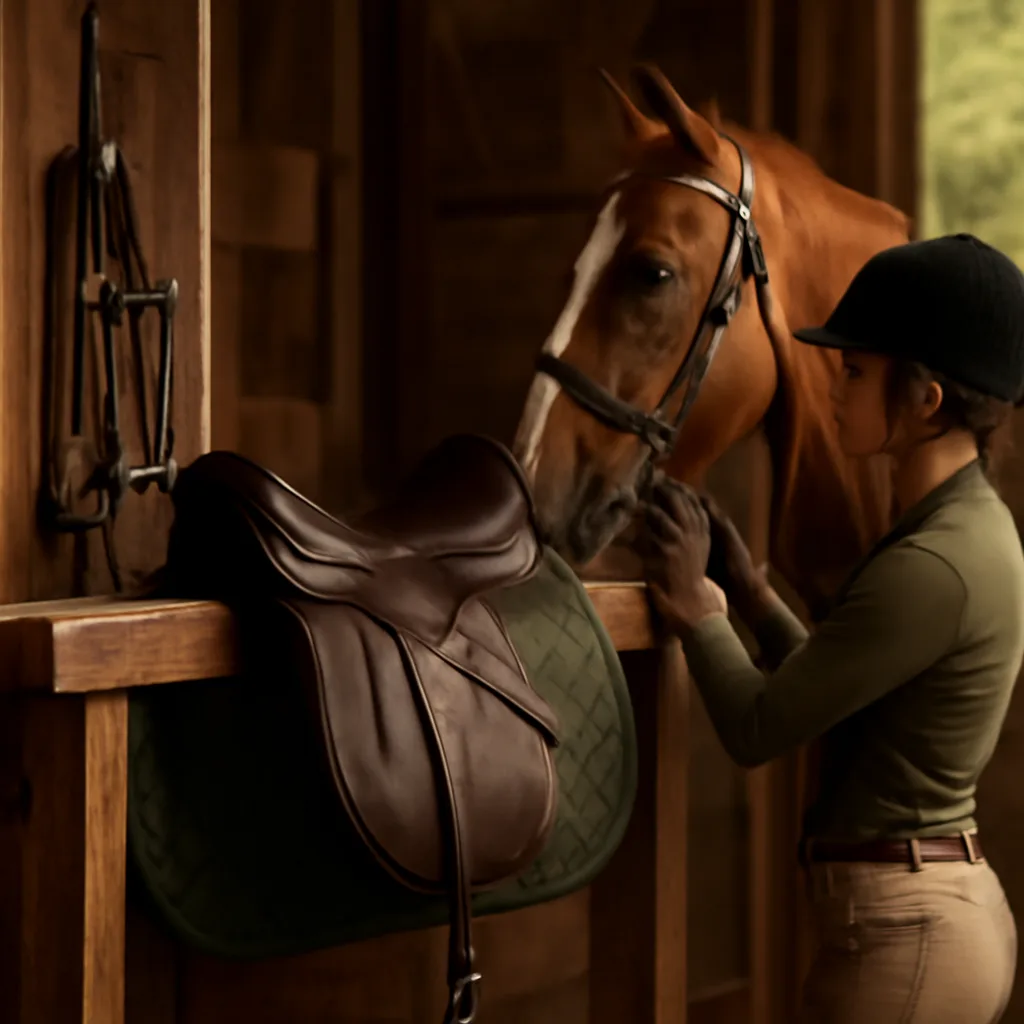
Establishing Trust Through Consistent Handling
Begin training by spending calm, consistent time with your young horse. Regular handling builds familiarity and trust, essential for cooperation during future training phases.
Focus on gentle touch, soft voice, and predictable movements to reduce anxiety. Early positive experiences lay the groundwork for a willing learner.
- Handle your young horse daily to build routine
- Maintain a calm demeanor to create a safe environment
- Use gentle leading and grooming sessions to foster trust
Groundwork Basics: Building Communication Before Riding
Groundwork teaches a young horse to respond to cues and respect personal space before introducing saddle and rider. This phase emphasizes clear communication via body language and voice commands.
Introduce leading, stopping, turning, backing up, and yield to pressure exercises. These skills promote safety and cooperation, critical for future ridden work.
- Practice leading with consistent pressure and release
- Teach yielding from light pressure on halter or rope
- Incorporate halter tying and desensitization to new objects
Desensitization and Exposure to New Stimuli
Young horses can be naturally curious but may spook if unexposed to typical sights and sounds of their environment. Controlled exposure helps build confidence and reduces fear responses.
Introduce objects like tarps, plastic bags, and noises gradually, rewarding calm behavior. Regular desensitization sessions make horses more reliable under saddle.
- Expose to various safe objects in short, positive sessions
- Reward calmness to encourage relaxed responses
- Avoid overwhelming your horse with too many stimuli at once
Introducing the Saddle and Rider
Once groundwork is solid, carefully introduce the saddle without a rider to allow your horse to accept new sensations. Follow with gradual introduction of weight, starting with light pressure and progressing slowly.
Pay attention to signs of discomfort and proceed at a pace your horse tolerates. Early patience prevents resistance and builds trust in the ridden phase.
- Place saddle pads and saddle gently, allowing inspection
- Use weight bags or light lead rope pressure before mounting
- Keep initial rides brief and positive
Consistent Routine and Positive Reinforcement
Young horses learn best with regular schedules and clear rewards. Consistency in training times and methods reduces confusion and stress.
Use treats, verbal praise, or pats to reinforce desired behaviors. Positive reinforcement encourages repetition of good responses and strengthens the horse-rider relationship.
- Train at consistent times daily when possible
- Reward compliance immediately to reinforce learning
- Keep sessions short and engaging to maintain focus
Monitoring Physical and Mental Well-Being
Training can be physically and mentally demanding for young horses. Monitor for signs of fatigue, irritability, or soreness to adjust intensity accordingly.
Incorporate rest days and varied activities to promote physical development and mental relaxation. A healthy, well-rested young horse progresses more steadily.
- Observe gait and behavior for signs of discomfort
- Allow time off between training sessions
- Include free movement opportunities to support muscle growth
Discover more
Daily Grooming Tips for a Healthy Horse
Discover essential daily grooming routines that enhance your horse's health, comfort, and overall well-being.
Introduction to Dressage: Basics and Benefits
Explore the fundamentals of dressage and discover how this equestrian discipline enhances horse training and rider skills.
Understanding Equine Nutrition
Explore essential nutritional needs of horses and how to create balanced feeding plans for their health and performance.
Selecting the Right Saddle for Your Horse
A practical guide to choosing saddles that ensure comfort and safety for both horse and rider.
Top Safety Gear Every Rider Needs
Essential safety equipment to protect equestrians during all riding activities, ensuring confidence and injury prevention.
Common Equine Health Issues and Prevention
Learn about frequent horse health problems and practical steps to keep your equine companion healthy and thriving.