Introduction to Dressage: Basics and Benefits
Dressage is a refined equestrian practice focusing on the horse's obedience, flexibility, and harmony with the rider. This article introduces the core techniques and highlights the benefits that make dressage a rewarding discipline for riders and horses alike.
Explore ↗
What is Dressage?
Dressage, often described as horse ballet, involves a sequence of precise movements performed by the horse in response to subtle cues from the rider. The goal is to develop a horse that is supple, balanced, and responsive, showcasing elegance and control. This discipline emphasizes communication and trust between horse and rider, promoting a smooth synergy.
- Improves horse's physical conditioning
- Enhances rider's balance and coordination
- Builds mutual trust and understanding
Fundamental Techniques in Dressage
Beginning with basic positions, the rider learns how to seat correctly and use aids such as the legs, hands, and seat to influence the horse's movement. Key dressage movements include the walk, trot, canter, half-halt, leg yield, and transitions between gaits. Consistency in practice and precise aids ensure clarity and responsiveness. Developing these basics forms the foundation to progress into more complex movements.
- Develop balanced seat and posture
- Use rein and leg aids effectively
- Practice smooth transitions between gaits
Training Your Horse for Dressage
Training begins with groundwork and simple exercises to improve flexibility, straightness, and rhythm. Gradual introduction to movements ensures the horse remains confident and relaxed. Training sessions should be balanced with rest to prevent stress. Patience and clear communication are essential for success and safety during training.
- Start with basic obedience and walking exercises
- Incorporate lateral work for flexibility
- Use positive reinforcement to encourage progress
Benefits of Dressage for Horse and Rider
Dressage offers multiple advantages beyond competition. For the horse, it promotes strength, balance, and mental engagement. Riders develop refined riding skills, improved posture, and heightened awareness of subtle cues. The discipline fosters a deeper connection, improving overall cooperation and trust, which can enhance performance in other equestrian activities as well.
- Enhances horse's musculature and coordination
- Improves rider's control and subtle communication
- Strengthens the partnership between horse and rider
Getting Started with Dressage
Newcomers should seek instruction from experienced trainers who can provide feedback on position and technique. Starting with foundational lessons and gradually advancing allows both horse and rider to adapt safely. Regular practice, supplemented with understanding the theory behind movements, accelerates learning. Joining local dressage clubs or groups can also provide valuable support and motivation.
- Find a qualified instructor
- Begin with basic dressage lessons
- Practice consistency and patience
Discover more
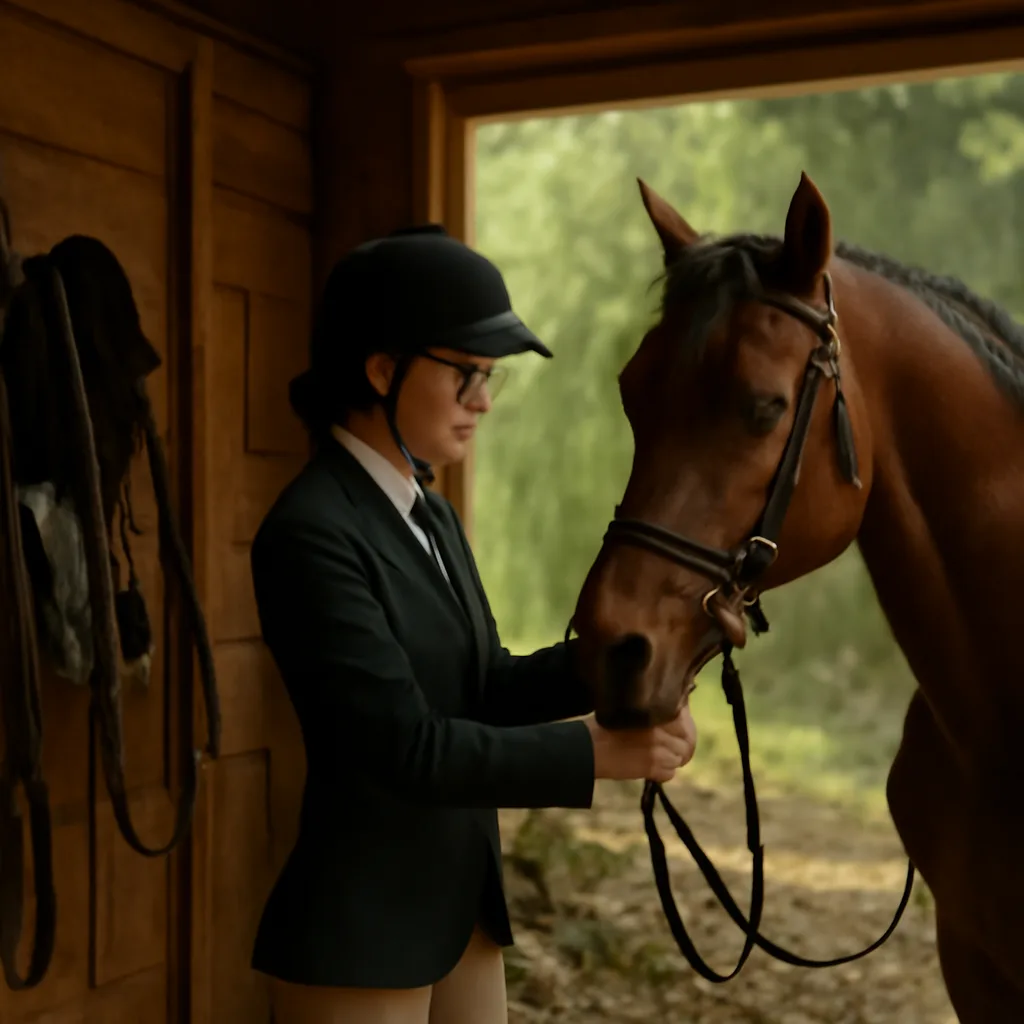
Daily Grooming Tips for a Healthy Horse
Discover essential daily grooming routines that enhance your horse's health, comfort, and overall well-being.
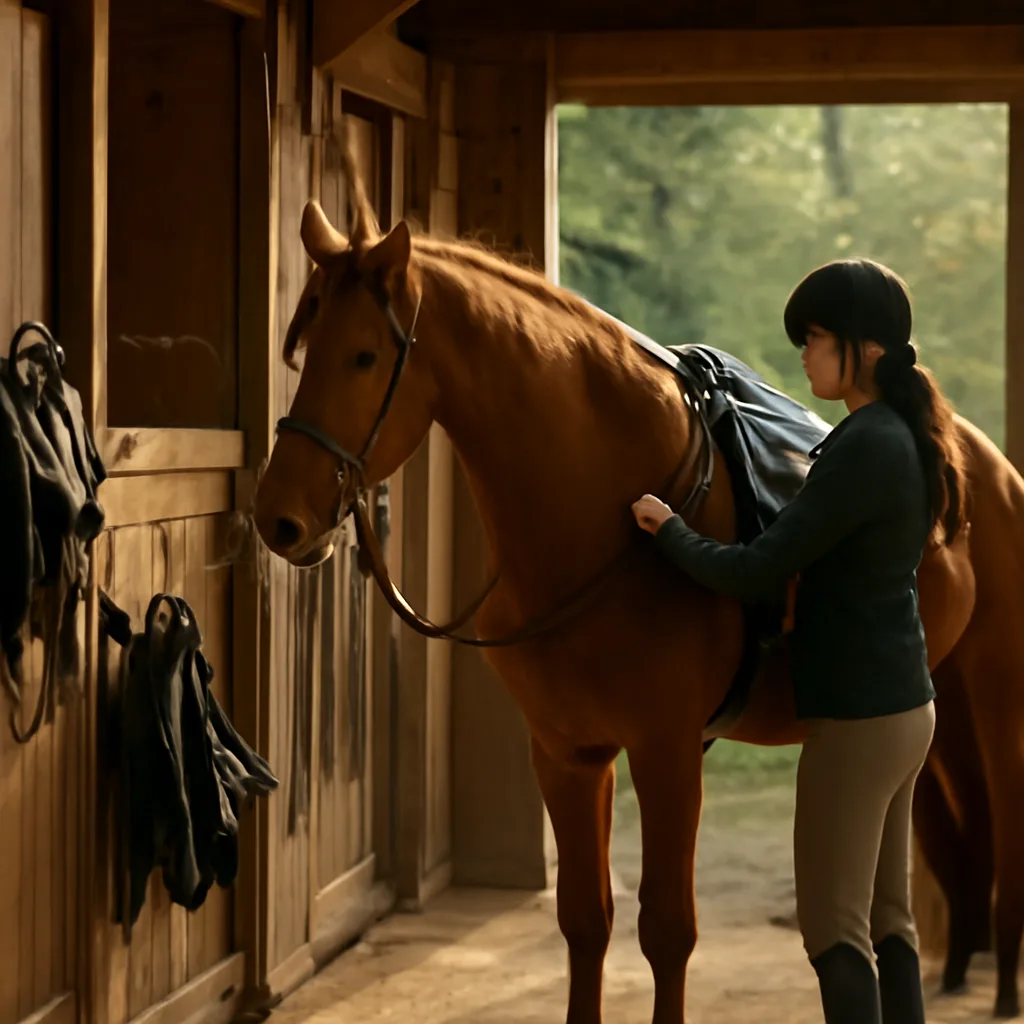
Understanding Equine Nutrition
Explore essential nutritional needs of horses and how to create balanced feeding plans for their health and performance.
Selecting the Right Saddle for Your Horse
A practical guide to choosing saddles that ensure comfort and safety for both horse and rider.
Training Young Horses: Best Practices
Explore effective strategies and essential tips for training young horses safely and confidently from the ground up.
Top Safety Gear Every Rider Needs
Essential safety equipment to protect equestrians during all riding activities, ensuring confidence and injury prevention.
Common Equine Health Issues and Prevention
Learn about frequent horse health problems and practical steps to keep your equine companion healthy and thriving.